
Buying or Selling a Restaurant, Grocery Store, or Convenience Store? Inspect the Refrigeration First.
May 15, 2026 · Cal Gaskets
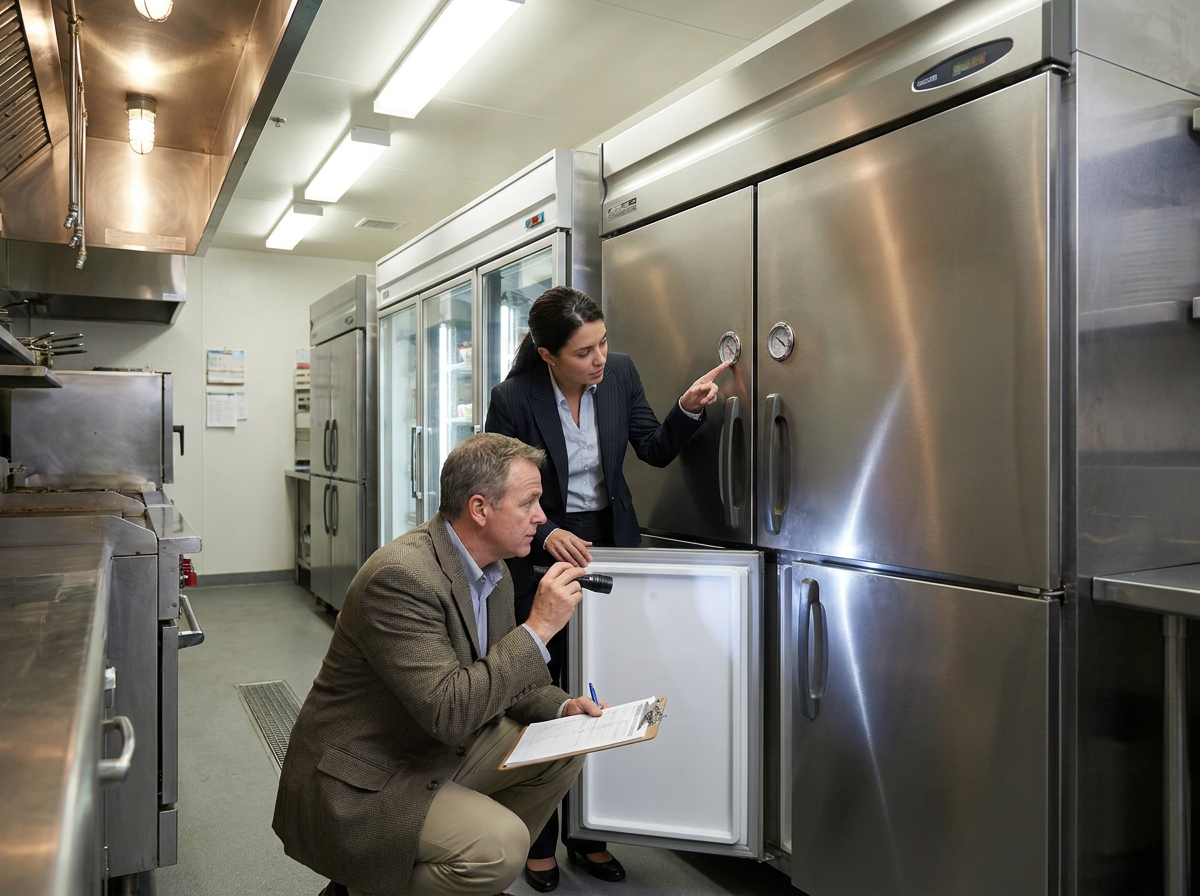
Buying or selling a food service business is one of the biggest financial transactions most operators will ever go through. There's a lot to evaluate — lease terms, revenue, staff, permits, and equipment. And while most buyers spend time scrutinizing the financials, one of the most expensive items in the building often gets a 30-second glance: the refrigeration equipment. That oversight can cost a buyer tens of thousands of dollars in the first year of ownership — and it can cost a seller a deal if the buyer discovers problems during escrow.
Here's what both sides need to know before a food service business changes hands.
Why Refrigeration Is the First Thing to Inspect
In any restaurant, grocery store, or convenience store, refrigeration is infrastructure. It runs 24 hours a day, it touches every perishable product you sell, and when it fails, the consequences are immediate: spoiled inventory, a compressor replacement bill, a possible health citation, and a business that can't operate normally while repairs are underway.
The problem is that refrigeration failure is rarely sudden. It builds slowly over months through worn door gaskets, dirty condenser coils, aging compressors, and deferred maintenance. A unit that looks fine during a walk-through may be running at 70% efficiency and three months from a breakdown. You can't see that from across the room — and sellers often don't know it themselves.
The cost to replace a commercial compressor ranges from $1,500 to $5,000 or more. A full reach-in commercial refrigerator can run $3,000–$8,000. A walk-in cooler replacement is a major capital project. These are not surprises you want to discover two months after you take possession.
What Buyers Should Check on Every Unit
During your due diligence walkthrough, go unit by unit. For every reach-in refrigerator, freezer, display case, and walk-in cooler or freezer on the premises, check the following:
Door Gaskets
The rubber seal around every refrigerator and freezer door is the first line of defense against energy waste and compressor burnout. Run your hand around the perimeter of each door — the gasket should feel soft and pliable everywhere. Look for cracks, tears, stiff or flattened sections, and mold growing in the folds. Do the dollar-bill test: close the door on a bill and pull it out. It should resist firmly. If it slides free anywhere, that gasket is failing.
A bad gasket on its own is an inexpensive fix. But multiple failing gaskets across many units tells you maintenance has been deferred broadly — and that the compressors in those units have been working harder than they should for an extended period.
Temperature
Ask to see the current temperature reading on every unit. Coolers should hold 35–41°F. Freezers should be at 0°F or below. Display cases vary by product but should be well within their rated range. Any unit that's struggling to hold temperature is already in trouble — either from a mechanical issue or from a gasket problem that's been ignored long enough to stress the compressor.
Compressor Condition
Listen to the compressors. A healthy compressor cycles on, runs for a period, and cycles off. If a compressor is running continuously without cycling off, it's working too hard — often because of a failing gasket, dirty coils, or a refrigerant issue. Continuous-running compressors are near the end of their service life. Ask the seller when any compressors have been serviced or replaced, and get documentation.
Frost and Ice Buildup
Open every unit and look at the interior walls and evaporator coils. Light frost between defrost cycles is normal. Heavy ice buildup — especially around door frames or on the coils — is a sign of air infiltration from a failing gasket or a malfunctioning defrost system. Either way, it's a problem that's been running up energy costs and straining the system.
Walk-In Coolers and Freezers
Walk-ins deserve extra attention. Step inside and look at the ceiling and wall panels — soft spots or discoloration can indicate moisture infiltration through failed panel seals, which is a structural insulation problem. Check the door perimeter gasket and the sweep seal at the bottom of the door. Inspect the strip curtains if present. Look at the evaporator coils for excessive frost. These are expensive units to repair or replace, so their condition should carry real weight in your offer.
Age of Equipment
Ask for the model numbers and find the manufacture date on each unit — it's usually on the data plate inside the door. Commercial refrigeration has a typical service life of 10–15 years with proper maintenance. Units that are 12+ years old should be treated as near end-of-life, regardless of how they look. Factor replacement costs into your offer accordingly.
What Sellers Should Do Before Listing
If you're selling a food service business, the condition of your refrigeration equipment directly affects both your sale price and the likelihood of your deal closing. Buyers who discover refrigeration problems during due diligence will either walk away or use those findings to negotiate a significant price reduction — often more than what the repairs would have actually cost.
The smart move before listing is to get a professional inspection done and address any issues upfront. Specifically:
- Replace any failing door gaskets — it's a low-cost fix that signals to buyers the equipment has been maintained. A fresh gasket on a unit looks dramatically better than a cracked, moldy one
- Have condenser coils cleaned — dirty coils are a red flag to any experienced buyer that maintenance has been deferred
- Document service history — if you've had units serviced, produce the receipts. Documented maintenance history increases buyer confidence and supports your asking price
- Get a written condition report — a third-party inspection report on your refrigeration equipment removes uncertainty from the transaction and positions you as a seller acting in good faith
Spending $500–$1,000 on gasket replacements and a professional inspection before listing can easily protect $5,000–$15,000 in negotiated-down sale price. It's one of the highest-return pre-sale investments you can make.
For Grocery Stores and Convenience Stores: Scale Matters
A grocery store or convenience store sale involves far more refrigeration than a typical restaurant — display cases running the length of the store, multiple reach-in coolers, walk-in coolers and freezers, and sometimes refrigerated produce sections. The scope of a refrigeration inspection is proportionally larger, and the stakes are higher.
In a grocery or convenience store acquisition, a comprehensive refrigeration audit should be a non-negotiable part of due diligence — not a walkthrough, but a documented inspection of every unit with condition ratings and estimated remaining service life. The difference between a store with well-maintained equipment and one with deferred maintenance across 20 display cases is potentially $50,000 or more in near-term capital requirements.
Display case door gaskets in particular are high-wear items in retail environments — customers open and close them hundreds of times per day. A full store of display cases with failing gaskets is a significant energy cost and a maintenance project that should be reflected in the purchase price.
Get a Professional Inspection Before You Close
A self-directed walkthrough is a starting point, not a substitute for a professional refrigeration inspection. A technician who works with commercial refrigeration every day will catch things that aren't visible to the untrained eye — gaskets that are degrading internally before they crack, compressors that are drawing too much current, temperature drift that isn't obvious from the display panel.
At Cal Gaskets, we provide pre-sale and pre-purchase refrigeration inspections for restaurants, grocery stores, convenience stores, and other food service businesses throughout Northern California. We inspect every door gasket, document condition with photos, note any compressor or coil concerns, and give you a written summary you can use in your transaction — whether you're the buyer negotiating price or the seller protecting your asking price.
Pre-Sale & Pre-Purchase Refrigeration Inspection — Northern California
Buying or selling a food service business in the Bay Area, Sacramento, or the North Bay? We'll inspect every refrigeration unit on-site, document what we find, and give you a clear written report — before anything is signed. Call us to schedule.